Christmas Horror for Long Winter Nights
Carolers after midnight, hotel rooms that grow impossibly cold and a village waiting for a sun that does not return: two volumes of The Dread Archive for the darkest time of the year.
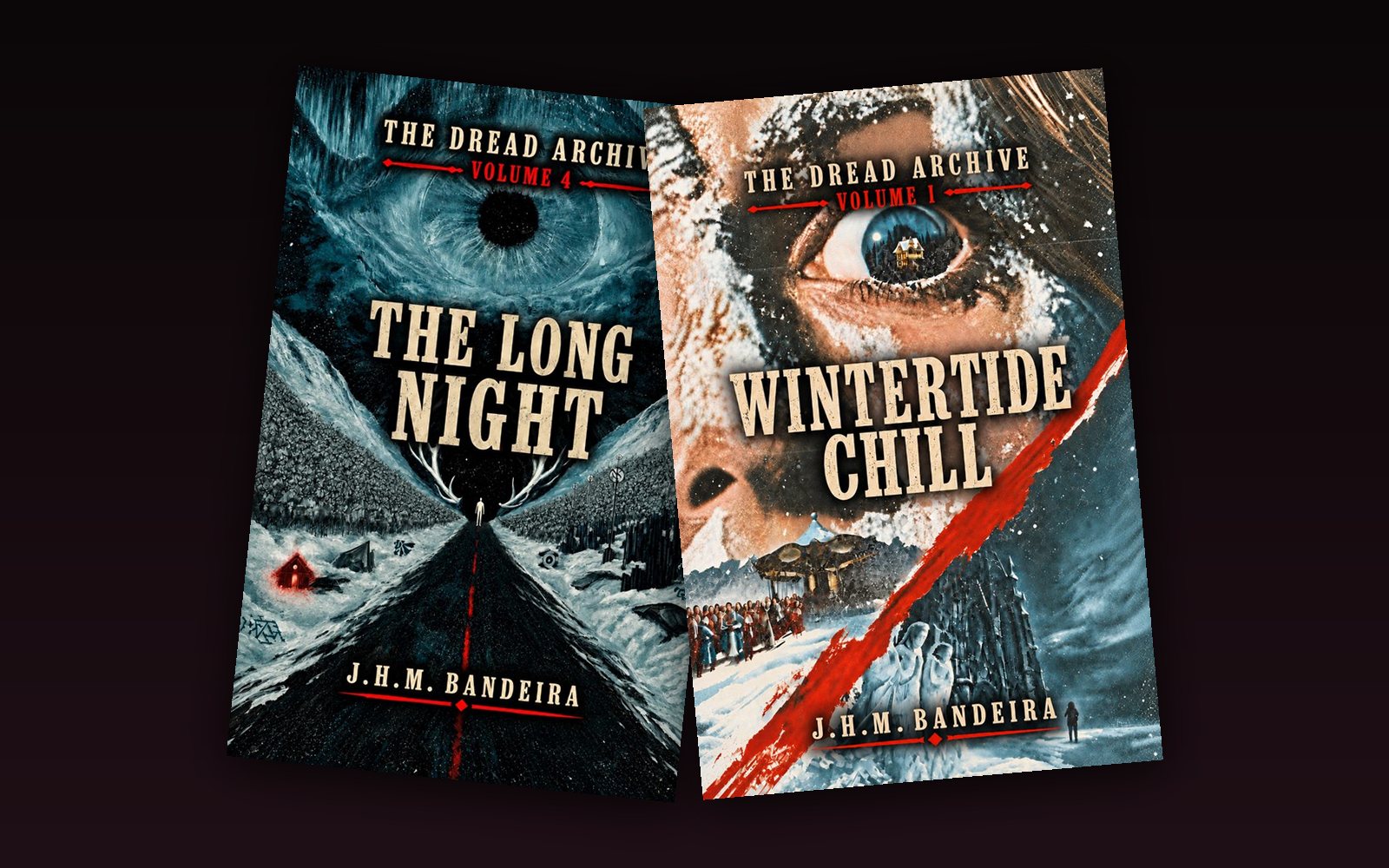
Not everyone wants cosy stories in December. If you prefer your winter evenings with a chill that has nothing to do with the weather, two volumes of The Dread Archive by J.H.M. Bandeira are made for the season. Like every book in the series, each collects ten literary horror stories and can be read on its own.
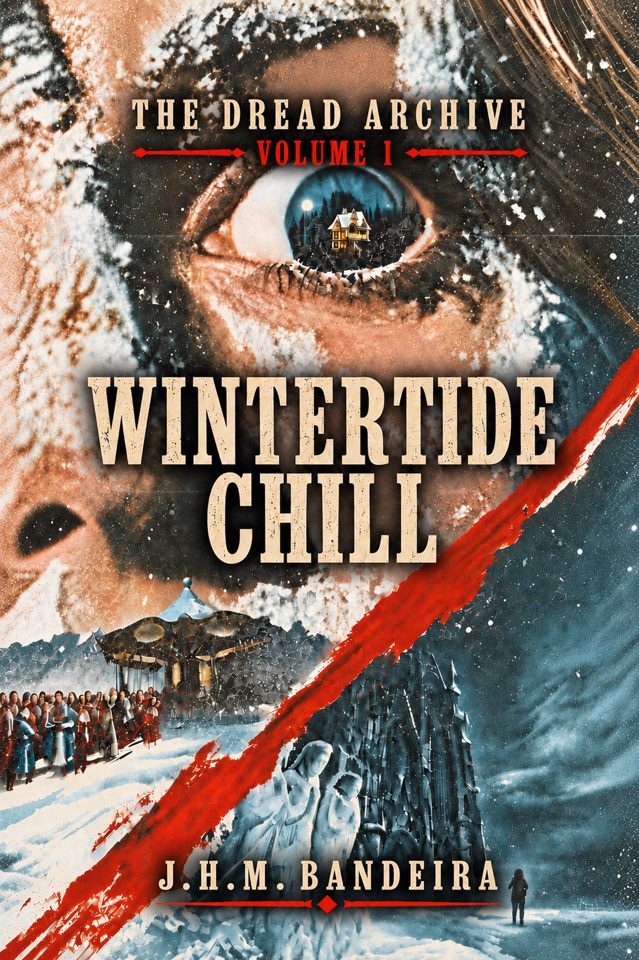
Wintertide Chill (Volume 1)
When the temperature drops, the dead begin to sing.
Christmas lights glow against empty roads, hotel rooms grow impossibly cold, carolers arrive after midnight, forgotten toys remember their makers, and snow preserves things that should have disappeared long ago. These are stories for long nights, closed doors and the uneasy hours when celebration gives way to something ancient.
If you only pick one book for the holidays, start here: all ten stories are set in winter and at Christmas.
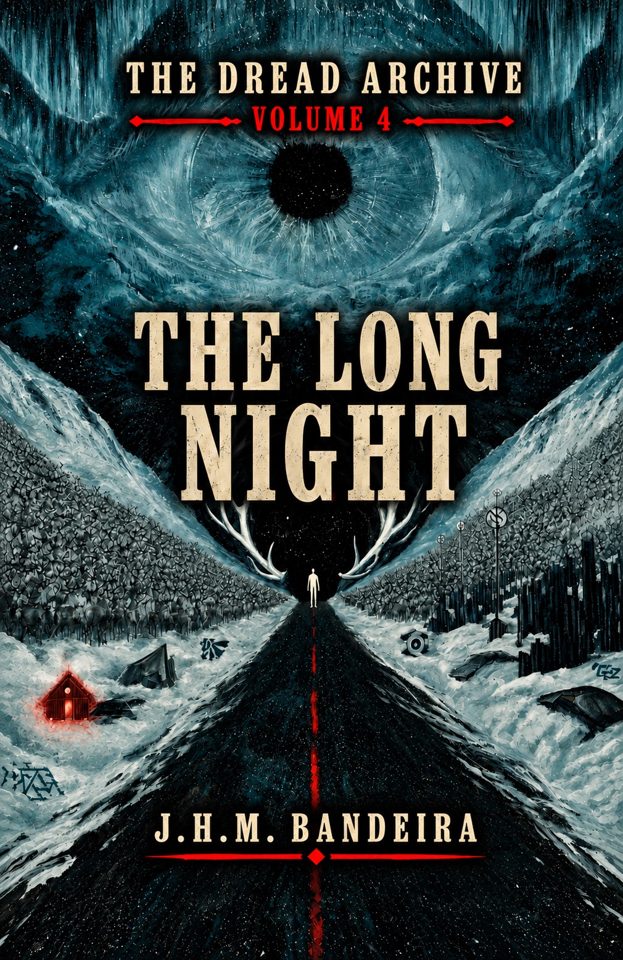
The Long Night (Volume 4)
In the North, darkness has a long memory.
A village waits for a sun that does not return. Ancient writing appears inside stone beneath a retreating glacier. An impossible deposit arrives at the Svalbard Global Seed Vault. In these ten stories, snow, science, isolation and folklore collide with things that survived because people learned not to name them.
It is the natural follow-up to Wintertide Chill: less Christmas, more polar night.
Reading tips
- Read one story per evening: with ten stories per volume, each book lasts well into the holidays.
- Both volumes are available as paperback and Kindle eBook, which makes them an easy last-minute gift for horror fans.
- Want more? Volume 2, Halloween After Midnight, does for October what Wintertide Chill does for December.
All nine volumes are on the Dread Archive page.